

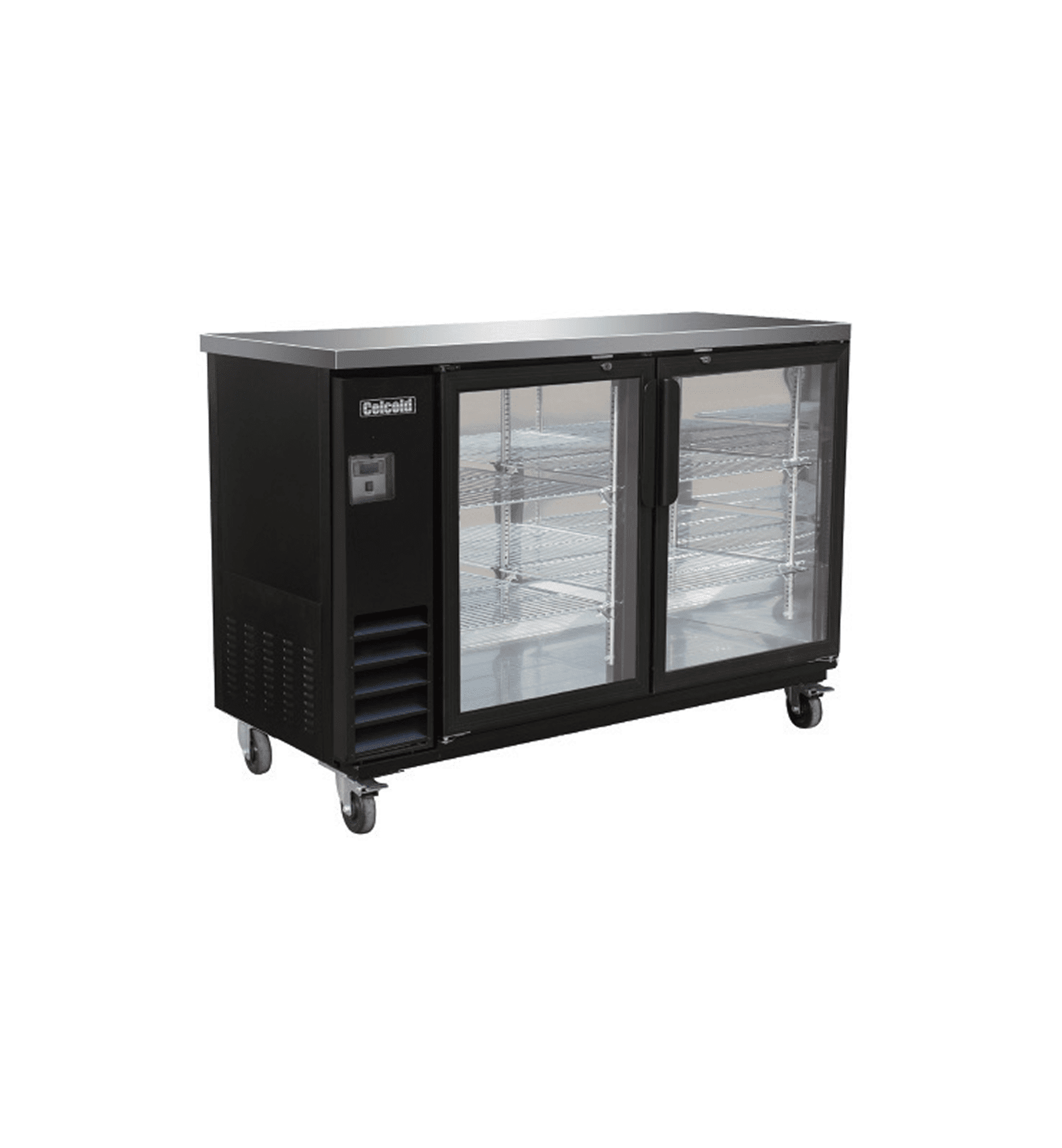

Upgrading to energy-efficient commercial kitchen equipment in Canada is one of the clearest wins available to operators right now. A commercial refrigerator built before 2010 uses about $246 more in electricity per year than a new model. Multiply that across your full equipment lineup, and the savings from modernization add up quickly.
Canadian commercial electricity rates rose by 3-6% across most provinces in 2026, which widens the gap between old and new equipment. For operators spending $3,000 to $5,000 monthly on electricity, modern energy-efficient equipment represents thousands in recoverable costs every year.
This article breaks down exact numbers across five equipment categories and shows the payback timeline for reducing restaurant energy costs through modernization.
How Much Energy Do Aging Kitchen Units Waste?
Pre-2010 commercial kitchen equipment consumes 30 to 50 percent more electricity than models built after 2015. The gap is not minor. A reach-in refrigerator manufactured before 2010 costs $507 annually to operate at current Canadian rates (14.5 cents per kWh). A modern Energy Star model costs $261. That is $246 in annual savings from a single unit. 
The pattern repeats across your full lineup. Commercial freezers show a $304 annual gap ($754 vs. $450). Ice machines save $232 per year. Convection ovens deliver $462 in annual savings. A restaurant running three or four aging units could recover $1,000 or more annually just from electricity.
Understanding how much energy commercial refrigerators consume is the first step toward meaningful utility savings for restaurants. Equipment from Celco’s Celcold refrigeration line and Celcook cooking equipment achieves these efficiency benchmarks through variable-speed compressors and R-290 refrigerant systems.
The efficiency gap widens with age. Compressors lose performance over time. Insulation degrades, increasing cooling demands. Condenser coils accumulate buildup that forces harder operation.
What Changed in Kitchen Equipment Efficiency After 2015?
Variable-speed compressors replaced fixed-speed models, allowing motors to adjust power based on actual cooling demands. This technology alone reduced energy consumption by 15 to 25% compared to earlier designs. Instead of running at full capacity constantly, modern compressors modulate output.
Insulation technology has improved substantially. Modern foam insulation provides better thermal barriers, reducing the temperature differential that drives energy consumption. Condenser coil geometry and fin spacing were optimized to improve heat rejection. Energy Star commercial refrigeration now incorporates advanced defrost cycles and night blinds that older units lack.Refrigerant formulations also shifted. The transition from R-22 to R-290 hydrocarbon refrigerant improved both efficiency and environmental compliance. If your current equipment runs on R-22, servicing it now costs roughly 4 times as much as it did 5 years ago due to supply restrictions. Upgrading to R-290 equipment eliminates this volatile maintenance cost and delivers 10 to 15 percent better efficiency.
What Does the 5-Year Savings Framework Show?
Five categories, exact electricity savings at current Canadian rates, with estimated upgrade costs and payback periods:

- Reach-in refrigerator: Five-year savings of $1,230 ($507 vs. $261 annually). Cost to upgrade: $3,000 to $5,000. Payback period: 3-4 years. Lifespan: 10+ years.
- Commercial freezer: Five-year savings of $1,520 ($754 vs. $450 annually). Cost to upgrade: $4,000 to $6,000. Payback period: 3-4 years.
- Commercial dishwasher: Five-year savings of $2,465 ($1,233 vs. $740 annually). Cost to upgrade: $5,000 to $8,000. Payback period: 2-3 years. Dishwashers represent the largest savings because they run continuously during service.
- Ice machine: Five-year savings of $1,160 ($696 vs. $464 annually). Cost to upgrade: $3,500 to $5,500. Payback period: 3 to 5 years.
- Convection oven: Five-year savings of $2,310 ($1,540 vs. $1,078 annually). Cost to upgrade: $4,500 to $7,000. Payback period: 2-3 years.
The cumulative five-year savings total $8,685 when upgrading one unit in each category. The case for upgrading old kitchen equipment strengthens further when you factor in utility rebates.
Provincial rebate programs from BC Hydro, Enbridge, and other providers often cover 10 to 20 percent of upfront equipment costs for Energy Star certified models, cutting your effective payback period by six to twelve months.
When Should You Replace Instead of Repair?
Equipment age and repair frequency guide the decision. If an appliance is older than ten years and requires frequent service, replacement makes financial sense even if the current repair is inexpensive. The calculation: if annual energy costs exceed 15 percent of a new unit’s purchase price, replacement pays back within three to five years through electricity savings alone.
A commercial kitchen energy audit in Canada can quantify your exact situation. The audit compares your current equipment nameplate ratings against your actual monthly energy bills, revealing which units consume the most power.
R-22 refrigerant adds urgency to the timeline. NRCan Amendment 18, effective July 2026, further tightens regulations. If your equipment uses R-22 and needs compressor work, the combination of 4x higher servicing costs plus rising electricity waste makes the upgrade case immediate.
Celco’s equipment specialists can calculate your specific savings based on your current lineup, operating hours, and provincial rates.
Calculate Your Restaurant Energy Savings with Celco
Aging equipment compounds your electricity costs every year you delay. Investing in energy-efficient commercial kitchen equipment across Canada is the single most effective way to reduce restaurant energy costs, and the savings grow as rates climb 3 to 6 percent annually.
The five-year framework shows $8,685 in recoverable costs from upgrading just one unit per category, with payback periods as short as two years.
Celco’s equipment specialists can conduct a commercial kitchen energy audit for your specific facility in Canada. We calculate your savings potential, identify which rebates apply in your province, and connect you with utility programs that offset upfront costs.